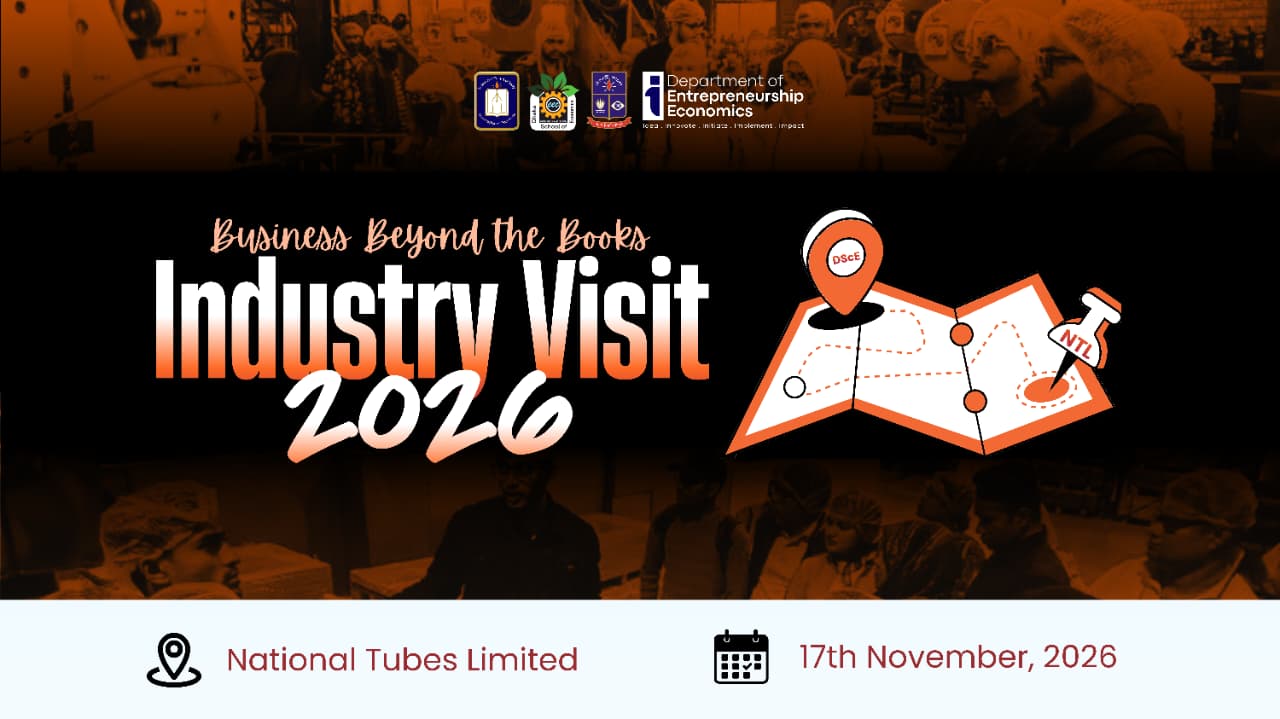
Date: 17 November 2026
Venue: National Tubes Limited (NTL), Tongi Industrial Facility, Gazipur, Bangladesh
Organized by: Department of Entrepreneurship Economics, Dhaka School of Economics, University of Dhaka
Overview:
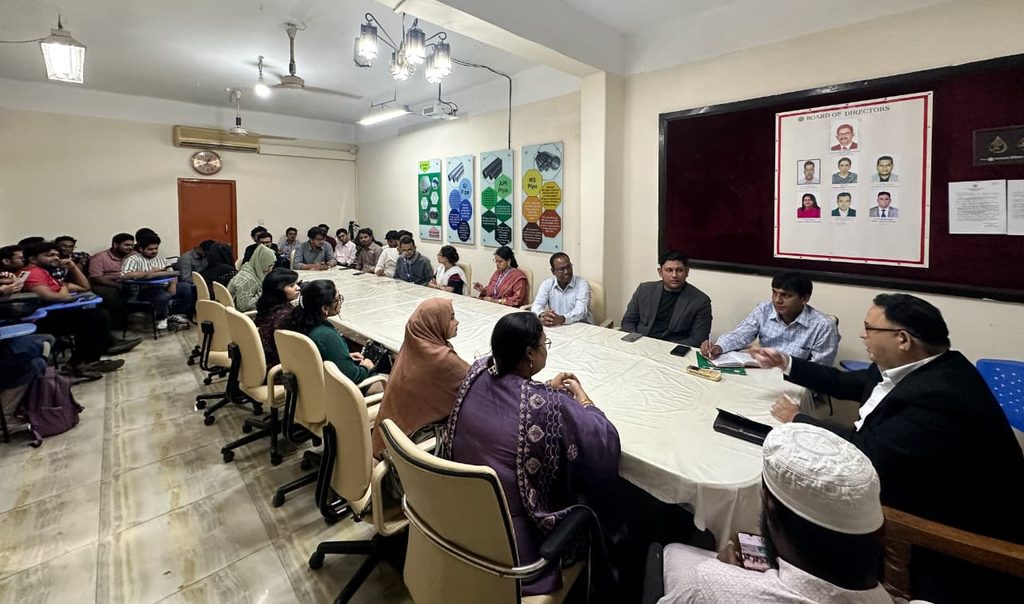
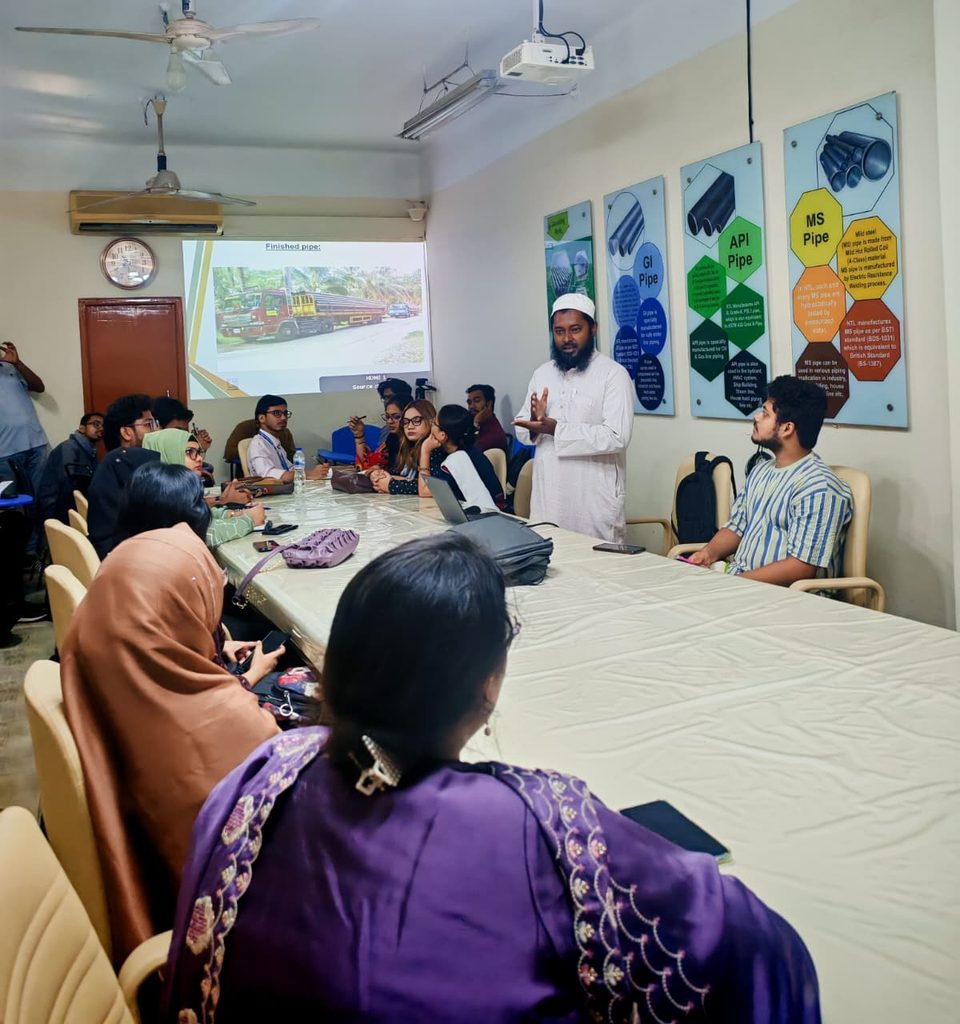
The Department of Entrepreneurship Economics of Dhaka School of Economics, University of Dhaka, organized an industrial visit to National Tubes Limited (NTL) on 17 November 2026. The visit aimed to give students practical exposure to industrial operations, manufacturing processes, supply chain management, and the broader business environment of Bangladesh’s manufacturing sector.
National Tubes Limited, one of Bangladesh’s pioneering steel pipe manufacturing enterprises, provided students with an opportunity to explore the practical dimensions of industrial production and business operations at its manufacturing facility in Tongi, Gazipur.
Exploring the Manufacturing Process:
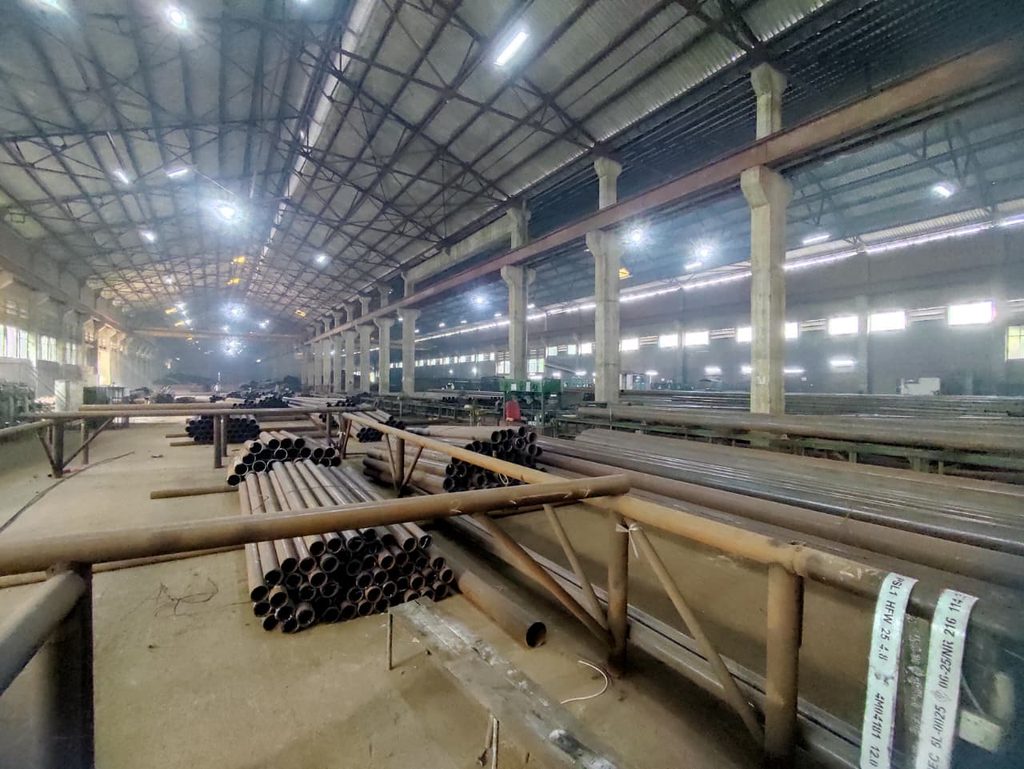
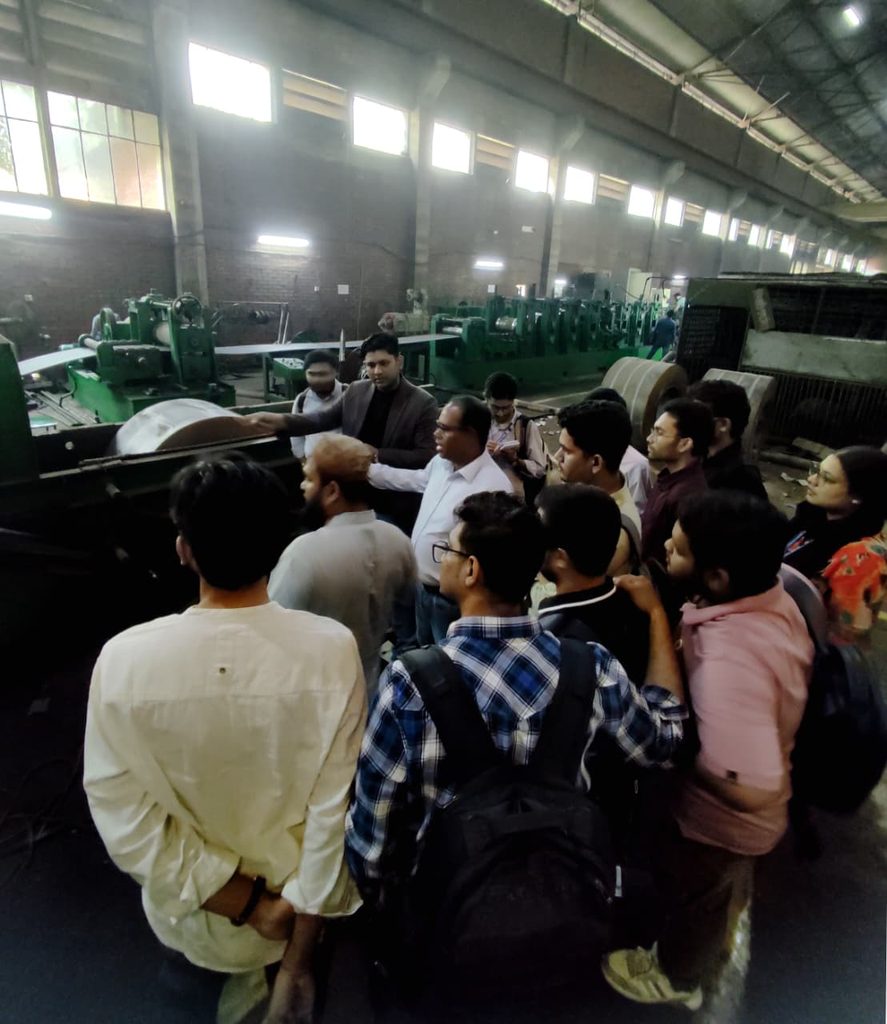
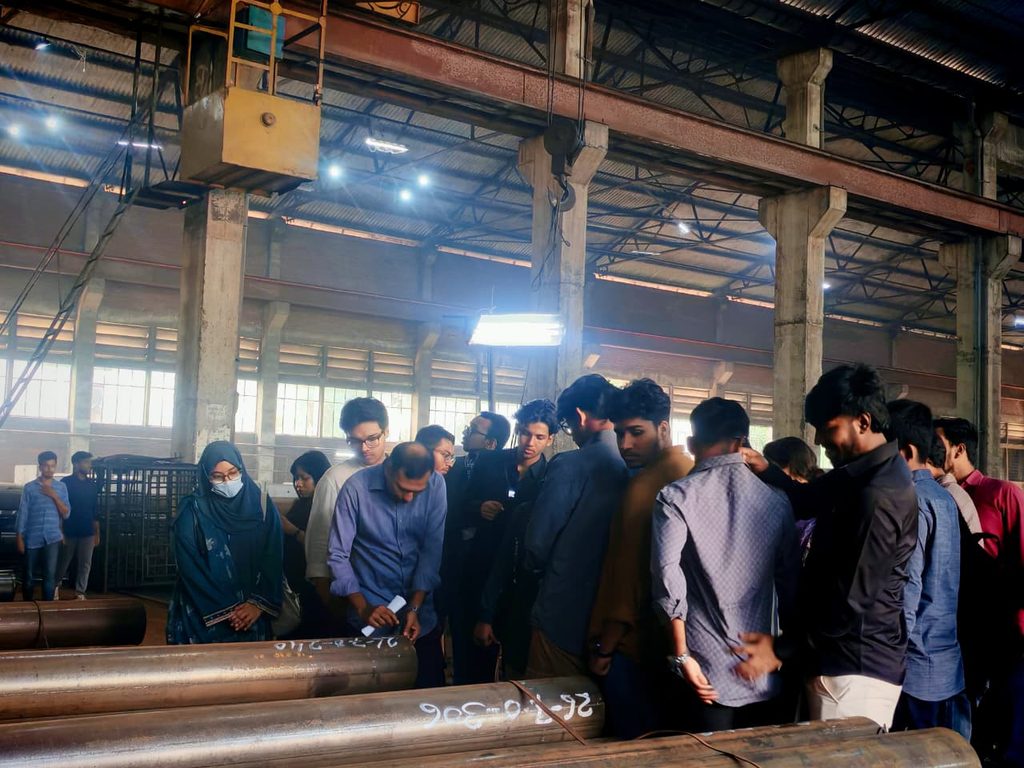
During the visit, students gained first-hand insights into the complete manufacturing journey, beginning with raw materials and ending with finished steel pipes.
The students observed how steel coils are processed into sheets and subsequently transformed into pipes through industrial manufacturing and welding processes. The factory visit enabled them to understand the role of machinery, production technology, operational coordination and quality considerations in large-scale manufacturing.
Key Areas of Learning:
The industrial visit covered several important dimensions of manufacturing and business management:
- Raw Material Management and Production Process
Students learned about the sourcing and utilization of steel coils, the conversion of raw materials into intermediate sheets and the subsequent manufacturing of finished pipes. - Manufacturing Operations and Technology
The factory tour provided practical exposure to industrial machinery, production techniques, workflow management and the different stages of pipe manufacturing. - Industrial Waste Management
Students explored how manufacturing waste and residual materials are generated, handled and managed during production, highlighting the importance of resource efficiency and sustainable industrial practices. - Supply Chain Management
The visit provided insights into the interconnected activities of raw material procurement, inventory management, production planning, logistics and product distribution. - Market Competition and Business Strategy
Students gained an understanding of the competitive environment of the steel pipe industry, including market challenges, competing businesses and the importance of maintaining product quality and operational efficiency. - Industrial Management and Operational Efficiency
The experience helped students understand how production, resource allocation, workforce coordination and quality management contribute to overall industrial performance.
Academic Significance:
For students of Entrepreneurial Economics, the visit was particularly valuable in connecting theoretical knowledge with real-world business practices.
The experience demonstrated how economic principles, entrepreneurial decision-making, production management, supply chain efficiency and market competition operate within an actual manufacturing enterprise.
It also broadened students’ understanding of the challenges and opportunities associated with industrial entrepreneurship, value creation, resource optimization and sustainable business development in Bangladesh.
Acknowledgement:
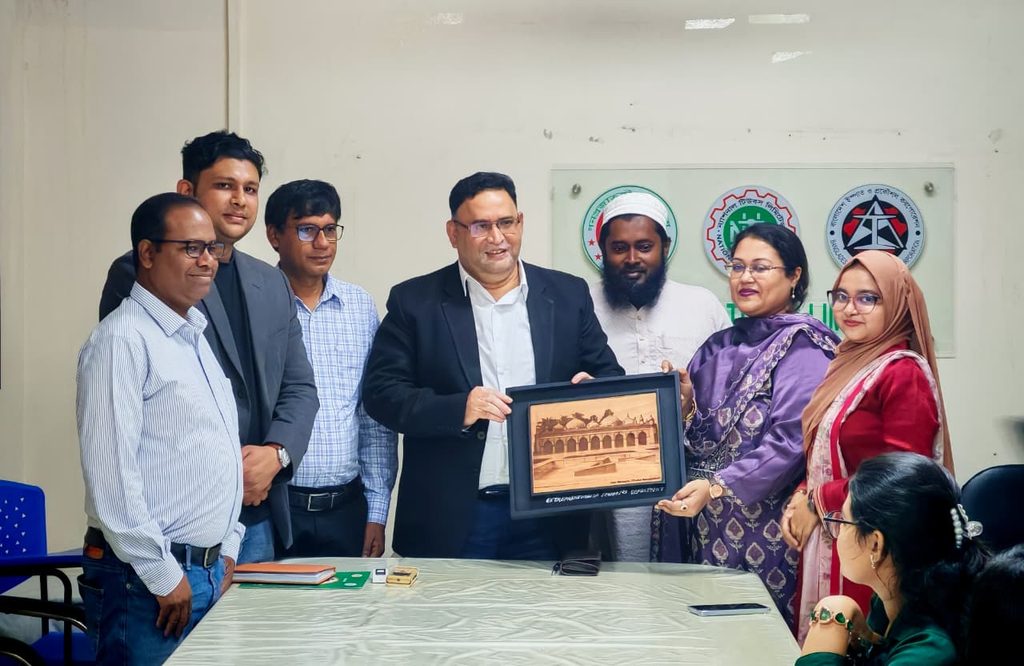
The Department of Entrepreneurial Economics expresses its sincere gratitude to the management and officials of National Tubes Limited for their hospitality, cooperation and support in facilitating this educational visit.
The department also appreciates the contributions of the faculty members, organizers and participating students whose collective efforts helped make the industrial visit a meaningful learning experience.
Conclusion:
The industrial visit to National Tubes Limited was an important experiential learning initiative that strengthened the connection between classroom education and industrial practice.
Such initiatives reflect the Department’s commitment to promoting practical learning, industry-academia engagement and developing future entrepreneurs and professionals with a deeper understanding of Bangladesh’s industrial and business landscape.
Learning Beyond the Classroom, Understanding Industries, Inspiring Entrepreneurs.